Dark circles under the eyes are a common concern that can affect people of all ages, often making the face appear tired or older than it really is. While lifestyle factors, stress, and aging can contribute to their appearance, genetics also play a significant role. Understanding the hereditary aspect of dark circles is essential for choosing the most effective treatment. Many individuals now turn to Dark Circles Treatment in Dubai to address both genetic and environmental causes, achieving noticeable and long-lasting results.
How Genetics Influence Dark Circles
Genetic factors can determine the structure, thickness, and pigmentation of the skin around the eyes. Key hereditary influences include:
Skin thickness: Individuals with naturally thinner under-eye skin may show blood vessels more prominently, creating a bluish or dark appearance.
Pigmentation levels: Some people inherit higher melanin levels under their eyes, leading to darker shadows even at a young age.
Tear trough formation: Genetics can influence the development of hollows or depressions beneath the eyes, which cast shadows and accentuate darkness.
Because these factors are inherited, dark circles caused by genetics can be more persistent and resistant to lifestyle changes alone.
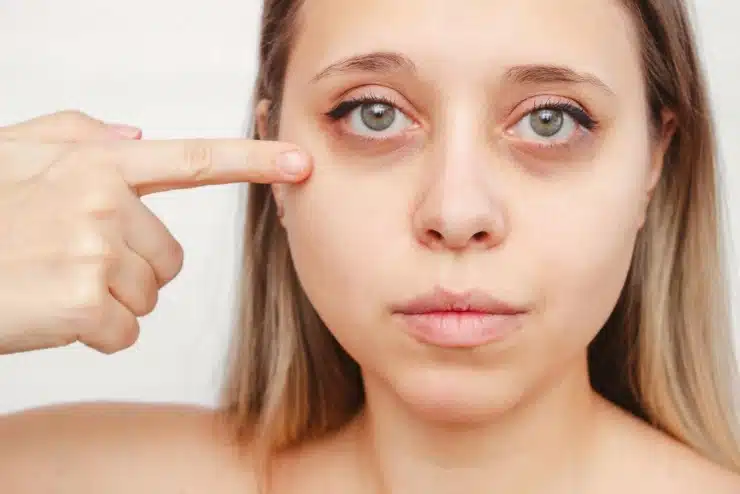
Signs That Dark Circles Are Genetic
While dark circles can result from multiple factors, certain signs may indicate a hereditary origin:
Dark circles are present from childhood or teenage years.
They persist despite adequate sleep, healthy diet, and proper skincare.
The under-eye area is naturally hollow or has visible blood vessels.
Family members have similar under-eye darkness or facial structures.
Recognizing genetic dark circles helps guide treatment choices, as addressing structural issues is often necessary for effective results.
Treatment Options for Genetic Dark Circles
Even if dark circles are inherited, there are several professional treatments that can improve their appearance:
Dermal Fillers
Hyaluronic acid-based fillers are effective for addressing hollowness caused by inherited tear troughs.
By restoring volume, fillers reduce shadowing and create a smoother under-eye contour.
Results are natural-looking and typically last 6 to 12 months, with follow-up treatments maintaining the effect.
Laser Treatments
Certain laser therapies target pigmentation and vascular issues that contribute to genetically dark under-eyes.
Non-ablative lasers can safely improve skin tone, stimulate collagen production, and reduce darkness.
Multiple sessions may be required for optimal results, especially in individuals with higher melanin levels.
Microneedling and PRP Therapy
Microneedling encourages collagen formation, which thickens thin under-eye skin and reduces the visibility of blood vessels.
PRP (Platelet-Rich Plasma) enhances skin rejuvenation using growth factors from the patient’s blood, improving overall texture and brightness.
Topical Treatments
Creams with ingredients such as vitamin C, peptides, and hyaluronic acid can complement professional treatments.
While they may not completely eliminate genetic dark circles, they help brighten the area and improve skin hydration and elasticity.
Lifestyle Measures to Support Treatment
Even genetic dark circles can benefit from proper lifestyle habits:
Prioritize adequate sleep to prevent fatigue from worsening under-eye darkness.
Protect the delicate under-eye skin from sun exposure with sunscreen or sunglasses.
Maintain proper hydration and a nutrient-rich diet to support overall skin health.
Avoid rubbing or pulling at the under-eye area, which can aggravate dark circles.
Combining lifestyle measures with professional interventions ensures the best long-term results, even for hereditary cases.
Can Genetic Dark Circles Be Permanently Removed?
While complete and permanent elimination of genetically inherited dark circles is challenging, advanced treatments provide long-lasting improvement. Combining dermal fillers, laser therapy, microneedling, and supportive skincare can create a refreshed and youthful under-eye appearance. Regular maintenance treatments can sustain results, making the appearance of dark circles significantly less noticeable over time. For residents in Dubai, accessing specialized solutions ensures safe and effective care for inherited dark circles. Many patients choose the Best Dark Circles Treatment Dubai, which combines advanced techniques with a personalized approach to target both structural and pigmentation issues.
Conclusion
Genetics play a crucial role in the development of dark circles, influencing skin thickness, pigmentation, and tear trough formation. While hereditary dark circles may be resistant to lifestyle changes alone, professional treatments such as dermal fillers, laser therapy, microneedling, and targeted skincare can significantly improve their appearance. By combining expert interventions with healthy lifestyle habits, individuals in Dubai can achieve brighter, rejuvenated under-eyes, even in cases where genetics are the primary cause. Understanding the hereditary component helps patients select the most effective solutions, resulting in long-lasting and natural-looking outcomes.